

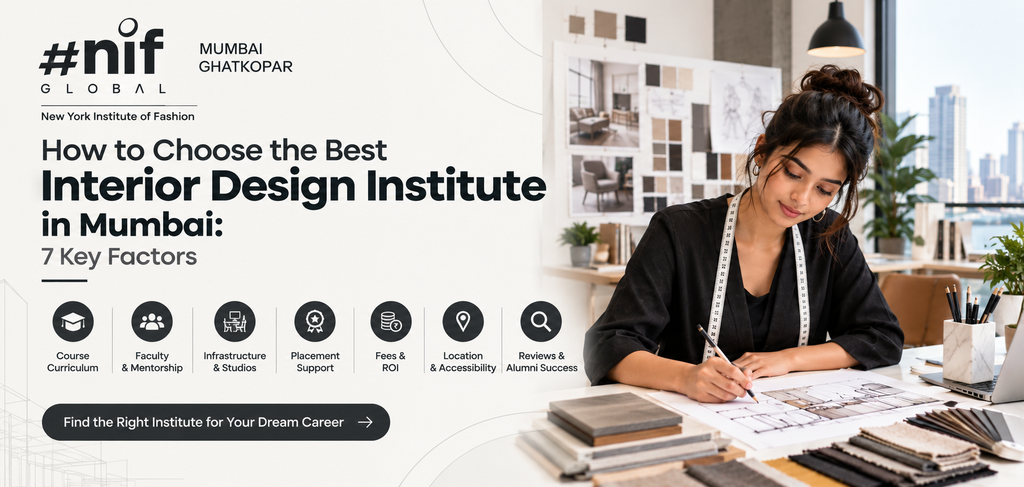
Choosing where to study interior design is one of the most important decisions you’ll make for your creative future. Mumbai, being India’s design capital, offers numerous options—but not all institutes deliver the same value. This guide breaks down everything you need to know before enrolling.
What are the key factors to consider when choosing an interior design institute in Mumbai?
Several elements determine whether an institute will shape you into an industry-ready professional. Before enrolling in any interior design courses in Mumbai, evaluate the curriculum depth, faculty experience, infrastructure, and industry exposure offered.
- Curriculum relevance to current industry trends
- Studio and lab facilities
- Faculty-to-student ratio
- Live project exposure
- Placement track record
- Industry tie-ups and internships
How to choose the best interior design institute in Mumbai?
Start by shortlisting institutes based on accreditation, then visit campuses personally. Talk to current students and alumni to understand real experiences rather than relying solely on marketing claims.
| Step | Action |
| 1 | Research accreditation and affiliations |
| 2 | Compare curriculum structure |
| 3 | Check faculty credentials |
| 4 | Review placement records |
| 5 | Visit campus/attend open days |
Why is choosing the right interior design institute important for your career?
Your institute choice directly impacts your skill development, industry connections, and job prospects. A strong interior designing career in India begins with quality education that combines theoretical knowledge with hands-on practical training, software proficiency, and portfolio-building opportunities that recruiters actively seek.
Which interior design institutes in Mumbai offer the best placement opportunities?
Placement support varies significantly across institutes. Look for institutes with dedicated placement cells, tie-ups with reputed design firms, and alumni networks working in top companies.
- Strong industry partnerships
- Pre-placement training sessions
- Internship-to-job conversion rates
- Average and highest salary packages offered
Where can you find top-rated interior design institutes in Mumbai?
Mumbai’s design education hub spans across areas like Andheri, Bandra, and Ghatkopar. Institutes such as NIF Global Ghatkopar, Mumbai have built a reputation for combining creative pedagogy with industry-aligned training, making them popular choices among aspiring designers across the city.
Who should consider enrolling in an interior design course in Mumbai?
This field suits individuals with strong visual imagination, spatial awareness, and problem-solving skills. If you enjoy aesthetics, functionality, and client interaction, interior design could be your ideal career path.
- Students with artistic inclination
- Those interested in architecture and spaces
- Career switchers seeking creative fields
- Individuals skilled in visualization and design software
When is the right time to apply for interior design courses in Mumbai?
Most institutes open admissions between March and July, aligning with the academic year starting in June or July. Early applications often secure better scholarship opportunities and preferred batch timings.
| Admission Phase | Timeline |
| Application opens | March–April |
| Entrance tests/interviews | April–May |
| Final admissions | June–July |
| Classes begin | July–August |
How much does an interior design course cost in Mumbai?
Costs vary widely depending on program duration, institute reputation, and facilities provided. Understanding interior design course fees in Mumbai helps you budget appropriately and compare value against quality offered.
| Course Type | Approximate Fee Range (INR) |
| Certificate Course | ₹30,000 – ₹80,000 |
| Diploma Program | ₹1,00,000 – ₹3,00,000 |
| Bachelor’s Degree | ₹2,50,000 – ₹6,00,000 |
How long does it take to complete an interior design program?
Program duration depends on the qualification level you pursue. Shorter certificate courses can be completed quickly, while comprehensive degree programs require a longer commitment.
- Certificate courses: 6 months–1 year
- Diploma programs: 1–2 years
- Bachelor’s degree: 3–4 years
- Master’s degree: 2 years
What is the difference between top interior design institutes in Mumbai?
Differences lie in teaching methodology, infrastructure quality, faculty expertise, and industry connections. Some institutes emphasize theoretical learning, while others focus heavily on practical, studio-based training with real client projects.
- Curriculum design and flexibility
- International collaborations
- Technology and software training
- Alumni success stories
Is an interior design institute in Mumbai worth the investment?
Yes, provided you choose wisely. Quality education translates into better skill sets, stronger portfolios, and increased employability. The investment pays off through career growth, networking opportunities, and long-term earning potential in the design industry.
Are online interior design courses as good as offline institutes in Mumbai?
Online courses offer flexibility but often lack hands-on studio experience, which is crucial for this hands-on profession. Offline programs typically provide better mentorship, peer learning, and access to physical design labs.
| Aspect | Online | Offline |
| Flexibility | High | Moderate |
| Practical exposure | Limited | Extensive |
| Networking | Minimal | Strong |
| Mentorship | Limited | Direct |
Should you choose a government or private interior design institute?
Government institutes often offer lower fees but limited seats, while private institutes provide modern infrastructure, updated curriculum, and better industry connections—though at a higher cost. Your choice should align with your budget and career goals.
Can you pursue interior design without a design background?
Absolutely. Many successful interior designers come from non-design backgrounds. What matters most is creativity, willingness to learn, and dedication to developing technical and aesthetic skills through structured coursework.
What are the eligibility criteria for interior design institutes in Mumbai?
Most institutes require completion of Class 12 in any stream, making this one of the popular creative career options after 12th in Mumbai. Some advanced programs may require entrance exams or portfolio submissions.
- Minimum 10+2 qualification (any stream)
- Basic aptitude or entrance test (varies by institute)
- Portfolio submission (for select programs)
- Personal interview rounds
Does the institute’s accreditation matter when choosing a course?
Yes, significantly. Accredited institutes ensure your degree or diploma holds recognized value in the job market, both nationally and internationally, affecting your credibility and career advancement opportunities.
- UGC/AICTE recognition (where applicable)
- Affiliation with international design bodies
- Industry endorsements and certifications
How to evaluate faculty expertise before joining an institute?
Research faculty backgrounds, industry experience, and teaching methodology. Experienced faculty bring real-world insights that enrich classroom learning beyond textbook theory.
- Check faculty qualifications and industry experience
- Look for practicing designers as mentors
- Review student testimonials about teaching quality
- Attend demo classes if possible
What is the scope of interior design careers after graduating from a Mumbai institute?
Graduates can explore diverse roles including residential designer, commercial space planner, set designer, or even entrepreneurship through their own design studio, with Mumbai’s thriving real estate and hospitality sectors offering abundant opportunities.
- Residential and commercial interior designer
- Set and exhibition designer
- Furniture and product designer
- Design consultant/entrepreneur
Which is better: a diploma or degree course in interior design?
This depends on your career timeline and goals. Diplomas offer quicker entry into the workforce, while degree programs provide comprehensive knowledge suited for leadership roles. Many students pursue interior design degree and diploma programs sequentially to maximize both speed and depth of expertise.
Who can apply for interior design courses in Mumbai?
Anyone passionate about design, regardless of academic background, can apply. Working professionals seeking career change, fresh graduates, and even homemakers with creative interests frequently enroll in these programs.
Explore our Course
Conclusion
Selecting the right interior design institute in Mumbai requires careful research, campus visits, and honest self-assessment of your career goals. By evaluating curriculum quality, faculty expertise, placement records, and overall infrastructure, you can make an informed decision that sets the foundation for a successful design career. Take your time, ask the right questions, and choose an institute that aligns with your creative aspirations and professional ambitions.
FAQs
Q1. What is the minimum qualification needed for interior design courses in Mumbai?
A: Most institutes require Class 12 completion in any stream, though some advanced programs may need additional entrance tests.
Q2. How much time does it take to become a professional interior designer?
A: Depending on your chosen program, it can take anywhere from 6 months (certificate) to 4 years (bachelor’s degree).
Q3. Can I switch careers to interior design after working in another field?
A: Yes, many professionals successfully transition into interior design through diploma or certificate programs designed for career changers.
Q4. Do interior design institutes offer placement assistance?
A: Reputed institutes typically provide placement support, internships, and industry connections to help graduates secure jobs.
Q5. Is practical training important in interior design education?
A: Yes, hands-on studio work, software training, and live projects are essential for building a strong professional portfolio.